
Key Insights
- Bill M217 has passed and received Royal Assent, but key requirements are not yet in force under the current B.C. Laws consolidation.
- The bill applies to commercial vehicles with a gross vehicle weight rating greater than 11,793 kg, subject to final regulations and enforcement guidance.
- The bill focuses on forward-facing road-view dashboard cameras, not driver-facing cameras.
- Contractors should plan for more than hardware installation: vehicle scope, leasing responsibility, driver procedures, privacy policies, maintenance checks, and footage access are all important.
Integrated video telematics can help contractors connect dash camera readiness with fleet visibility, safety, asset tracking, maintenance, and operational decision-making.
For contractors operating heavier commercial vehicles in or through British Columbia, Bill M217 is more than a transportation headline. It is a signal that fleet visibility, video telematics, safety documentation, and compliance readiness are becoming more closely connected.
Construction and service organizations often manage mixed fleets that include service trucks, vocational vehicles, leased equipment, hauling vehicles, and specialized units. That makes early planning important. Waiting until final enforcement details are announced can create avoidable pressure around budgeting, installation, driver training, privacy review, and operational rollout.
This article explains what Bill M217 is, who it could affect, what the current requirements say, how contractors can prepare without waiting until the last minute, and where connected fleet visibility fits into a broader operational strategy.
What is Bill M217?
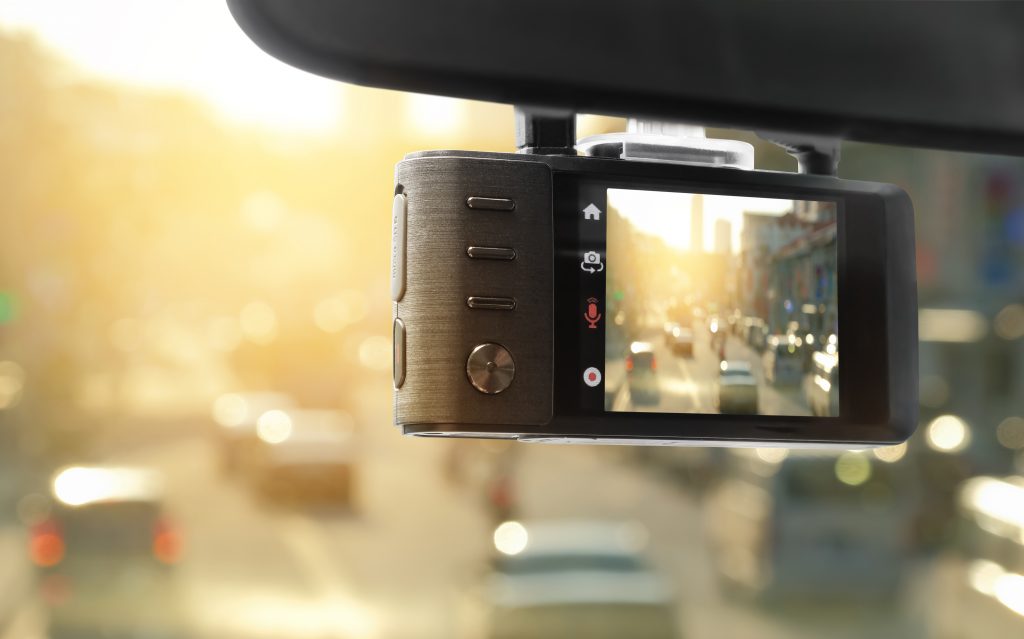
Bill M217 is British Columbia’s Dashboard Cameras in Commercial Vehicles Act. The legislation is designed to require covered commercial vehicles to use forward-facing dashboard cameras that record the road ahead while the vehicle is operating.
The B.C. progress page shows that Bill M217 passed third reading on May 25, 2026, received Royal Assent on May 28, 2026, and became S.B.C. 2026, Chapter 17. Review the B.C. bill progress page.
However, the current B.C. Laws consolidation states that sections 1 to 5 are not yet in force and that the Act comes into force by regulation of the Lieutenant Governor in Council. In practical terms, contractors should monitor final regulations and avoid relying on a fixed enforcement date until the province confirms it. Review the current B.C. Laws consolidation.
Bill M217 at a Glance
Question | What We Know (as of August 14, 2026) |
What is it? | B.C.’s Dashboard Cameras in Commercial Vehicles Act, focused on forward-facing dash cameras for covered commercial vehicles. |
Is it in force? | Not yet. It has received Royal Assent, but key requirements come into force by regulation. |
Which vehicles? | Commercial vehicles with a gross vehicle weight rating greater than 11,793 kg, subject to final regulations. |
What camera type? | Forward-facing road-view cameras. Driver-facing cameras are not required by the bill as written. |
Core specs? | Continuous road-view recording, 72-hour retention, 1080p minimum resolution, night vision, and local storage. |
Who is responsible? | Owners must install and maintain cameras; lessees are responsible for leased vehicles; operators must keep cameras recording and unobstructed. |
What should contractors do now? | Inventory in-scope vehicles, audit existing cameras, plan budgets, update driver policies, review privacy requirements, and monitor final regulations. |
Bill M217 has passed and received Royal Assent, but the key requirements are not yet in force under the current B.C. Laws consolidation. Contractors should use this planning period to review vehicle scope, camera capability, policies, and operational readiness.
Who B.C.'s Dash Cam Law Could Affect
As passed at third reading, the bill defines a covered commercial vehicle as a commercial vehicle under the Commercial Transport Act with a gross vehicle weight rating of more than 11,793 kg. The requirement is aimed at heavier commercial vehicles, not light-duty pickups or standard passenger vehicles.
For construction and service businesses, the important question is not simply, “Do we run transport trucks?” It is, “Which vehicles in our fleet meet the weight threshold and operate in or through British Columbia?”
Depending on final regulations and fleet composition, contractors may need to review heavy service trucks, vocational vehicles, hauling vehicles, concrete trucks, cranes, flatbeds, leased commercial vehicles, and other specialized units. The BC Trucking Association has noted that clarification is still needed around specialized and vocational equipment because these vehicles may operate differently from traditional highway transportation fleets.
Contractors with cross-border or interprovincial operations should also review whether any in-scope vehicles travel through British Columbia, even if the business is headquartered elsewhere.
What the Bill Requires
As passed at third reading, Bill M217 describes several baseline requirements for covered commercial vehicles:
- A forward-facing dashboard camera that records the view of the road through the front windshield.
- Continuous recording while the commercial vehicle is operating.
- At least 72 hours of video retention.
- Minimum 1080p recording quality.
- Night vision capability.
- Recording at the manufacturer’s default settings on the device’s local storage.
- Owner responsibility for installation and maintenance, with lessees responsible for leased vehicles.
- Operator responsibility to ensure the camera is recording and not obstructed while the vehicle is operating.
- Collection, use, disclosure, retention, and destruction of recordings in accordance with applicable privacy and security requirements, including B.C.’s Personal Information Protection Act.
The bill focuses on the forward road view. Driver-facing cameras are not required by the bill as written. If a contractor chooses to use inward-facing cameras, audio recording, AI video analytics, or expanded driver coaching features, those decisions should be reviewed through privacy, driver communication, and company policy requirements.
How This Could Affect Construction and Service Businesses
For contractors, the biggest impact may not be the camera itself. It will be the operational work required to make the program reliable, defensible, and practical across the business. A dash camera program touches fleet inventory, budget planning, installation, maintenance, driver procedures, privacy governance, incident response, and operational reporting.
The table below highlights the business areas contractors should review before the law is brought into force.
Business Area | What To Review |
Fleet Inventory | Create a clear list of owned, leased, rented, and subcontracted vehicles that meet the weight threshold and operate in or through British Columbia. |
Procurement and Budgeting | Review existing dash cameras and budget for replacements or upgrades if they do not meet retention, resolution, night vision, storage, or reliability expectations. |
Installation and Maintenance | Make sure cameras are mounted correctly, kept clean, aligned, tested, and repaired when needed. |
Driver Procedures | Add camera checks to pre-trip inspections, safety meetings, and driver onboarding so operators understand their responsibilities. |
Privacy and Data Governance | Define who can access footage, how long it is retained, how it is shared, and how recordings are securely deleted. |
Incident Response | Decide in advance how video footage will be retrieved, reviewed, preserved, and shared after a collision, near miss, claim, or safety event. |
Operational Integration | Connect dash camera footage with GPS location, route history, vehicle status, maintenance, safety workflows, and job activity where possible. |
Common Mistakes Contractors Should Avoid
Considering the compliance date and detailed regulations are still pending, it can be tempting to wait. But waiting too long can create rushed decisions, avoidable costs, and gaps in driver communication. Contractors can reduce that risk by avoiding these mistakes:
- Assuming every commercial vehicle is covered. Start with the Gross Vehicle Weight Rating (GVWR) threshold and monitor final regulations before deciding which vehicles are in scope.
- Waiting until enforcement dates are announced. Budgeting, procurement, installation, driver training, and policy review all take time.
- Installing hardware without updating driver policies. Drivers and supervisors need clear expectations for inspections, footage use, access, and incident response.
- Forgetting leased, rented, or mixed-use vehicles. The bill places responsibility on lessees for leased vehicles; rental and subcontracted arrangements should be reviewed as final guidance develops.
- Overlooking privacy requirements. Footage handling should be addressed before cameras are rolled out, especially if systems include optional inward-facing video, audio, or AI analytics.
- Purchasing cameras that do not meet expected specifications. Evaluate forward-facing recording, 1080p resolution, night vision, local storage, continuous operation, retention, mounting, and device-health monitoring.
- Skipping dashcam checks in pre-trip inspections. A dirty, obstructed, misaligned, offline, or non-recording camera may not deliver the safety or compliance value the business expects.
How Contractors Can Plan Ahead
Waiting until the compliance window is almost over could create unnecessary risk. Hardware availability, installation scheduling, driver training, policy updates, and privacy reviews all take time. The planning roadmap below gives contractors a practical way to prepare without making premature assumptions about final regulations.
Planning Area |
Action To Take Now |
|
Confirm Vehicle Scope |
Identify every vehicle that operates in or through British Columbia and confirm the manufacturer’s gross vehicle weight rating. |
|
Clarify Responsibility |
Separate owned, leased, rented, and subcontracted vehicles so installation, maintenance, and footage responsibilities are clear. |
|
Audit Existing Hardware |
Compare current dashcams against expected requirements for road-facing recording, 1080p quality, night vision, continuous operation, local storage, and 72-hour retention. |
|
Review Storage Model |
Evaluate whether footage is stored locally, in the cloud, or through a hybrid model. Remote or northern routes may require stronger local storage if connectivity is inconsistent. |
|
Update Operating Procedures |
Make camera status part of pre-trip, preventive maintenance, and safety routines. |
|
Create Privacy and Access Rules |
Explain what is recorded, who can access footage, how footage is used, and how long it is retained. |
|
Train Teams Early |
Train drivers and supervisors before the requirement takes effect so the program is understood as a safety and compliance process, not just surveillance. |
|
Connect Related Workflows |
Link dash camera planning with fleet visibility, GPS, asset tracking, maintenance, safety, and incident review workflows. |
|
Monitor Final Guidance |
Track final regulations and enforcement guidance before making firm assumptions about deadlines, penalties, exemptions, or footage access requirements. |
How The SAMPRO + IntelliShift Integration Supports Bill M217 Readiness
Bill M217 planning should not stop at purchasing dash cameras. A standalone camera may help meet a requirement, but integrated video telematics can help teams review events faster, pair video with GPS location and route history, monitor device health, support driver coaching, and make footage part of a broader safety and operational strategy.
At SAMPRO, we see dash camera readiness as part of a larger operational visibility strategy. Contractors already using SAMPRO can extend fleet visibility through our integration with IntelliShift. IntelliShift provides GPS, telematics, safety monitoring, and supported video technologies, while our integration allows fleet and operational data to flow into SAMPRO, where it can be connected to work orders, assets, technicians, maintenance activities, reporting, and operational analytics.
Solution Layer | What It Contributes |
IntelliShift Fleet Capabilities | GPS, telematics, safety monitoring, supported video technologies, vehicle location, safety events, fuel, maintenance, compliance, dashboards, and analytics. |
SAMPRO Operational Context | Work orders, assets, technicians, maintenance activities, reporting, operational analytics, job operations, and broader service or construction workflows. |
Why The Integration Matters | Fleet and operational data can be reviewed together, helping contractors manage dash camera readiness as part of daily operations instead of a separate hardware project. |
That distinction matters. IntelliShift helps capture and organize fleet-level data, while we help put that data into the operational context contractors use every day. For Bill M217 readiness, that connected context can help contractors identify which vehicles may be in scope, confirm whether camera systems align with expected requirements, build dashcam checks into pre-trip and maintenance processes, and connect incident review with route history, asset activity, vehicle status, and job operations.
Technology does not replace legal or regulatory review. But when video telematics, GPS, asset tracking, maintenance, safety workflows, and work order data are connected, contractors can manage dash camera readiness as part of daily operations instead of treating it as a last-minute equipment purchase.
Key Terms Contractors Should Know
Term | Definition |
GVWR | Gross vehicle weight rating: the maximum operating weight specified by the manufacturer. |
Forward-facing dashboard camera | A camera focused on the road ahead through the front windshield while the vehicle is operating. |
Lessee | The business or person leasing a vehicle. Under the bill, lessees are responsible for cameras on leased covered vehicles. |
Local Storage | Video storage on the device itself, as described in the bill’s camera requirements. |
Video Telematics | A fleet technology approach that connects camera events with data such as GPS, route history, vehicle status, safety events, and reporting. |
PIPA | B.C.’s Personal Information Protection Act, referenced by the bill for handling recordings according to privacy and security requirements. |
Key Takeaways
The most important takeaway is that Bill M217 should be treated as an operational readiness issue, not simply a dashcam purchase. Contractors can use the time before the requirements are brought into force to review fleet scope, camera capability, policies, training, and privacy procedures.
- Review vehicle scope. Confirm which owned, leased, rented, and subcontracted vehicles operate in or through British Columbia and exceed the GVWR threshold.
- Audit current dashcams. Check road-facing recording, 1080p resolution, night vision, 72-hour retention, local storage, mounting, and device health.
- Prepare policies and training. Update driver procedures, inspection routines, footage access rules, and privacy guidance before the deadline becomes urgent.
- Connect compliance to visibility. Use dash camera planning as an opportunity to improve fleet visibility, safety documentation, asset tracking, maintenance, and incident response.
Treat Compliance as Part of Operational Visibility
Bill M217 is a reminder that fleet safety, compliance, and operational visibility are moving closer together. For contractors, the requirement may begin with dashboard cameras, but the business impact reaches into fleet inventory, maintenance, driver communication, privacy governance, incident response, and daily field operations.
The best approach is to plan early. Contractors that review vehicle scope, confirm camera capabilities, update policies, and train teams ahead of time will be better positioned when final regulations and enforcement details are confirmed.
More importantly, dash camera planning can become part of a stronger fleet visibility strategy. When video telematics, GPS, asset tracking, maintenance, safety, and work order data are connected, contractors gain a clearer view of risk, performance, and field activity across the business.
Frequently Asked Questions
Is Bill M217 in force right now?
No. Bill M217 received Royal Assent on May 28, 2026, but the current B.C. Laws consolidation states that sections 1 to 5 are not yet in force. The effective date will be set by regulation.
Does Bill M217 apply to my service or construction business?
Potentially. The law applies based on the vehicle, not the type of business. If you operate commercial vehicles in B.C. with a GVWR over 11,793 kg, those vehicles may be covered.
Which vehicles will require dashboard cameras?
Commercial vehicles with a GVWR over 11,793 kg may be affected, including dump trucks, hydrovac trucks, crane trucks, heavy flatbeds, tractor-trailers, and equipment-hauling vehicles. Businesses should confirm each vehicle’s manufacturer GVWR and monitor final regulations.
Do driver-facing cameras have to be installed?
No. As written, Bill M217 focuses on forward-facing cameras that record the road ahead through the windshield. Driver-facing cameras are not required. If your business uses inward-facing video, audio, or AI driver-coaching features, review privacy obligations and driver communication first.
What kind of dashboard camera will be required?
The camera must continuously record the road ahead while the vehicle is operating and must provide at least 1080p HD resolution, night vision, at least 72 hours of recording capacity, and recording to local storage using the manufacturer’s default settings.
Can our existing dashcams be used?
Possibly. Existing cameras should be audited for forward-facing road view, continuous recording, 1080p resolution, night vision, at least 72 hours of retained footage, local storage, proper mounting, and reliable operation. If a current system does not meet those requirements, plan for upgrades before compliance becomes urgent.
Should we wait until the regulations are finalized before purchasing cameras?
Do not wait to prepare, but avoid rushed fleet-wide purchases without checking specifications. Now is the right time to inventory vehicles, audit existing systems, talk to providers, budget for upgrades, pilot solutions, update policies, and monitor final regulations before a full rollout.
Who is responsible if we lease or rent our trucks?
For leased vehicles, the lessee is responsible for installing and maintaining the required dashcam. Businesses using short-term rentals should monitor final guidance on how the rules will apply.
What privacy requirements apply to dashcam footage?
Businesses must handle recordings in accordance with applicable privacy laws, including B.C.’s Personal Information Protection Act (PIPA). Policies should address who can access footage, how it is stored and shared, how long it is retained, and when it is deleted.
Important note: This article is for general industry awareness only and is not legal advice. Contractors should confirm current requirements with legal counsel, fleet compliance advisors, or the applicable B.C. regulatory authority before making compliance decisions.